


Demolition Services
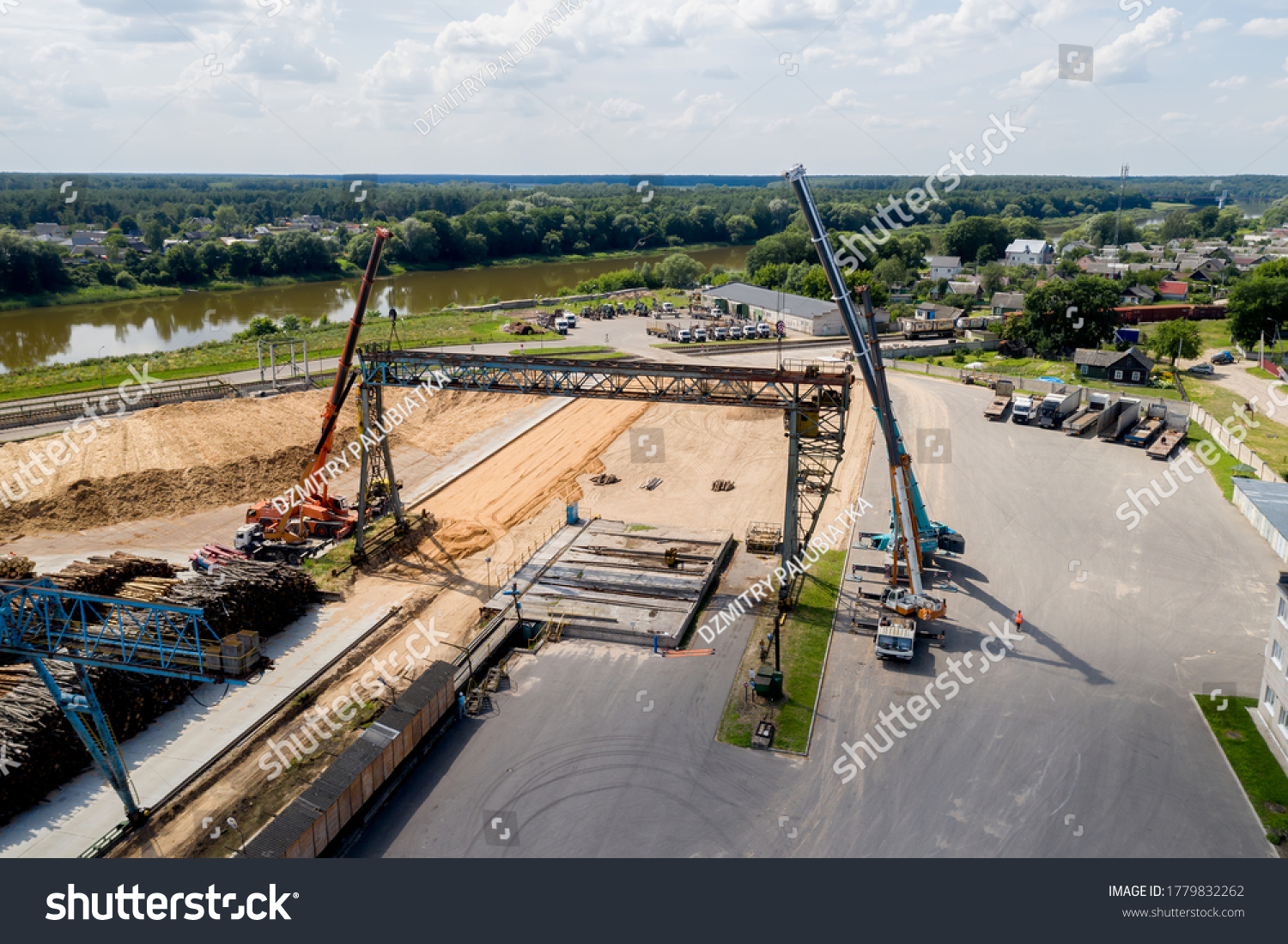

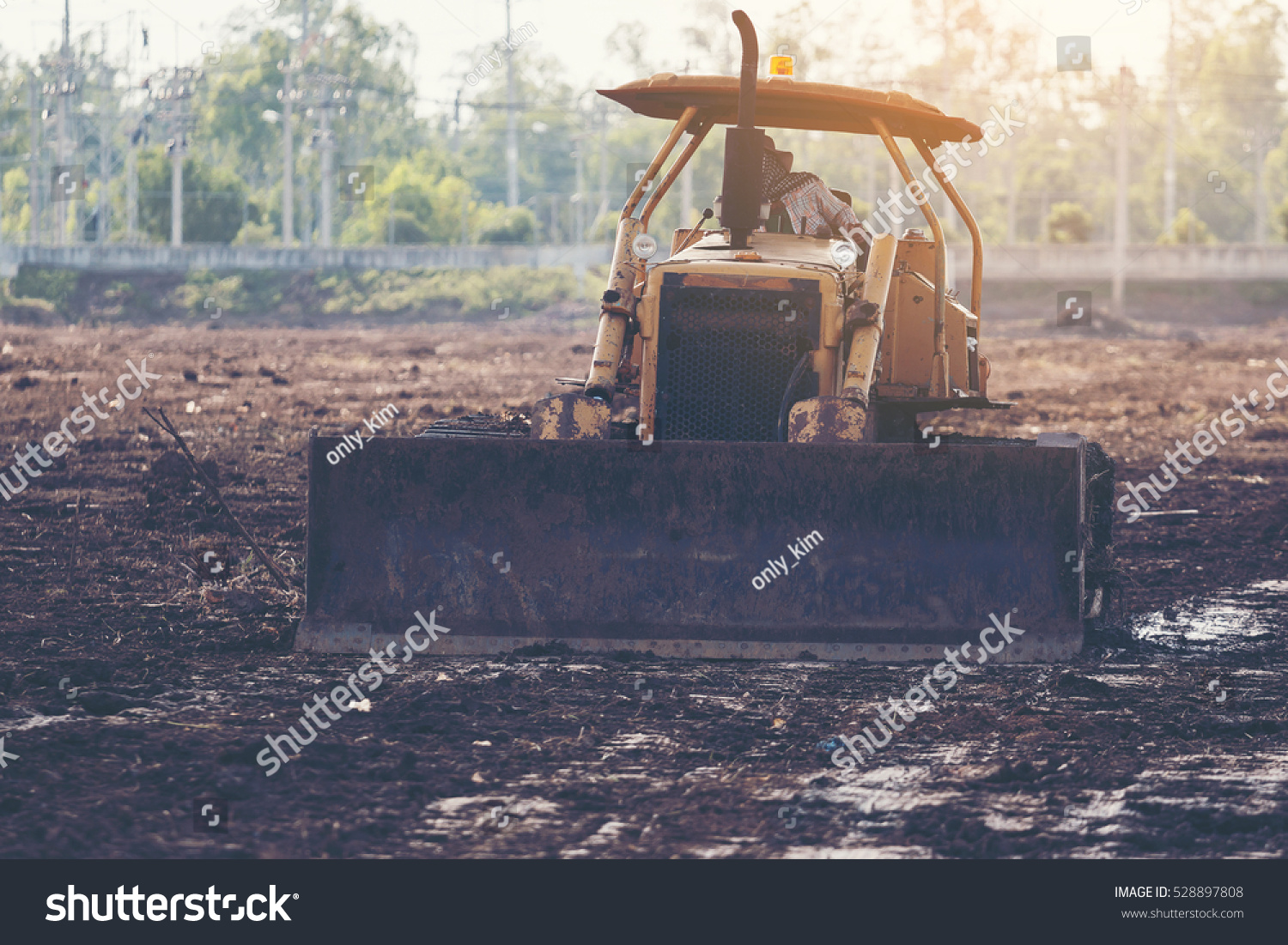
Bulldozers are the powerhouses of earthmoving, designed to push large volumes of soil, debris, and rubble across a site. They're equipped with a wide blade at the front that can be angled and adjusted to cut through compacted earth, move demolition waste, and create level surfaces. On Melbourne demolition and land clearing jobs, bulldozers are typically your first major piece of equipment, clearing the way for other machines to work effectively.
The cost of running a bulldozer reflects its capability—these machines are expensive to operate because of their fuel consumption and the skilled operator needed to control them precisely. However, for large-scale clearing and site preparation, they're often the most efficient option. When you see a bulldozer on a job, understand that you're paying for serious earthmoving capacity that would take days or weeks to replicate with manual labour.
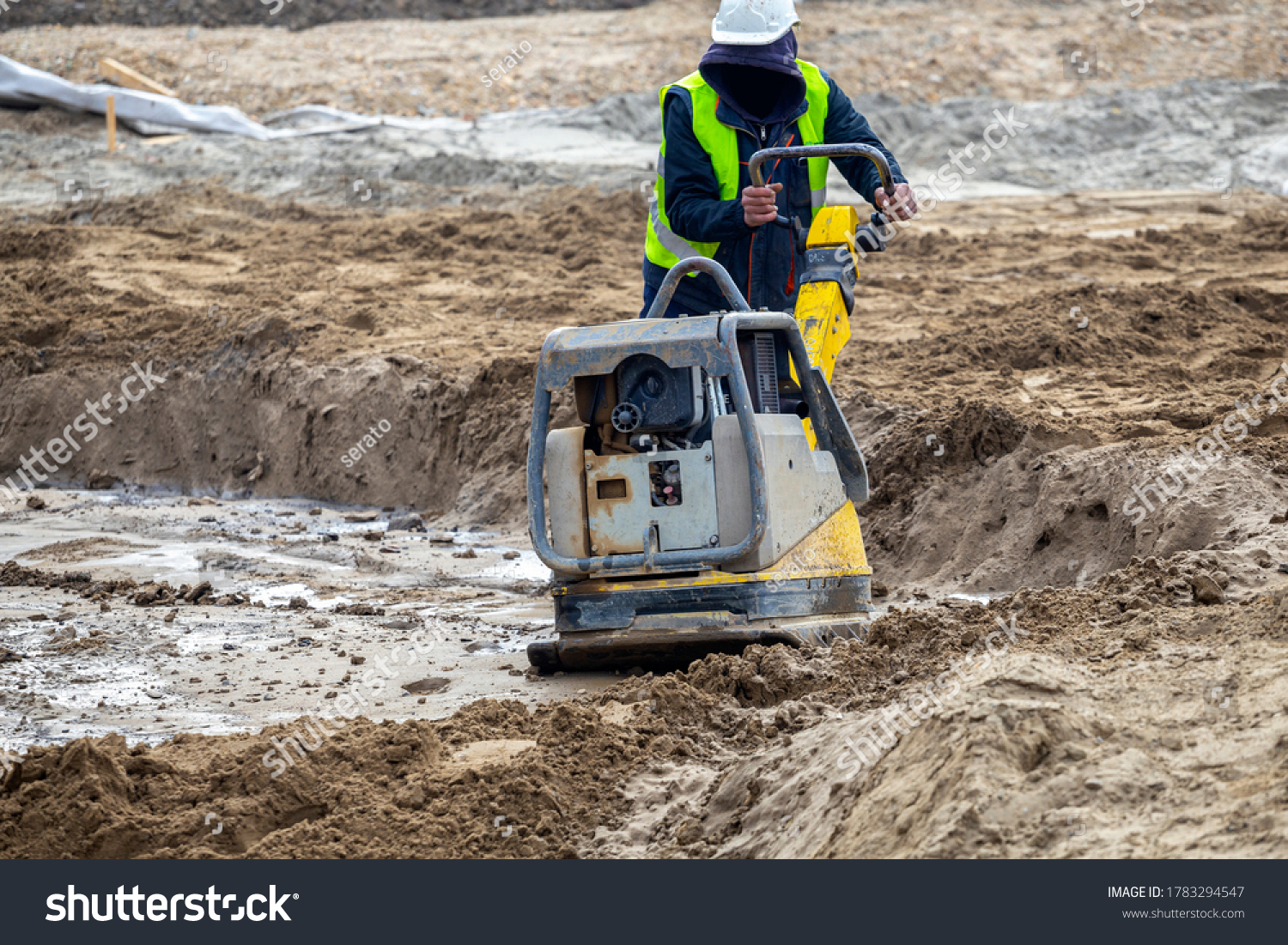
Compactors are specialist machines designed to compress soil and materials to increase density and stability. After earth has been moved and graded, compactors work in passes over the surface, pressing down loose material to create a firm, even foundation. This is critical for construction sites, driveways, and any project where you need a solid base that won't settle or shift over time.
There are different types of compactors—plate compactors for smaller areas and roller compactors for larger sites. Both serve the same purpose: eliminating voids and air pockets in the soil. If your project requires building or paving, proper compaction is non-negotiable, and your contractor will factor this into the timeline and costs. Think of compaction as the difference between temporary and permanent results.
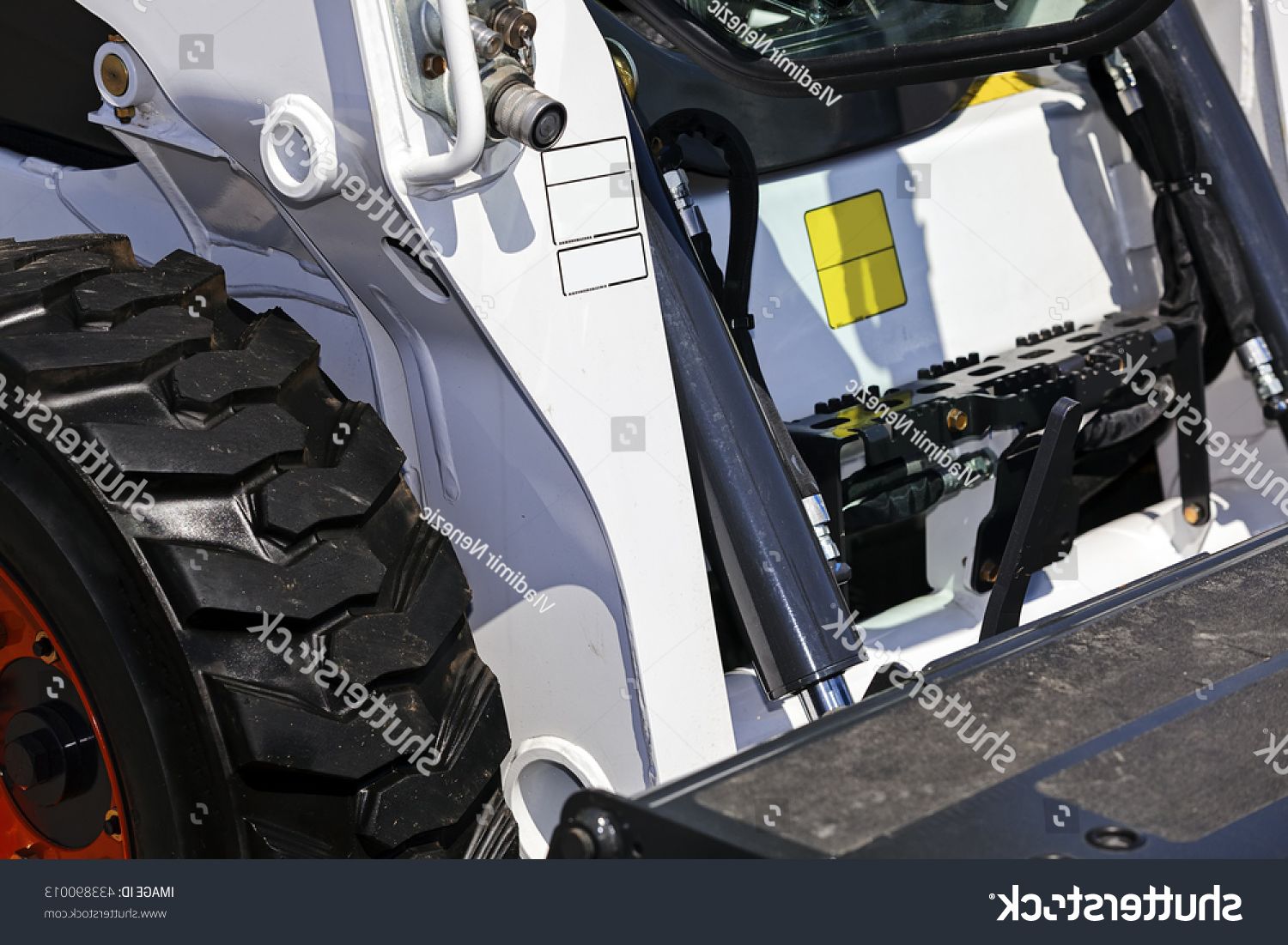
Skid steers are smaller, highly manoeuvrable machines that excel in tight spaces where larger equipment can't operate. With their compact frame and ability to attach different tools—buckets, forks, augers, and more—skid steers are like the Swiss Army knife of earthmoving. They're particularly valuable on demolition and land clearing projects in suburban Melbourne where space is limited and you need precision work alongside heavy machinery.
Because they're nimble and can be fitted with various attachments, skid steers reduce the need for multiple separate machines on smaller jobs. Your contractor uses them for material handling, debris collection, and detailed site preparation. Their lower hourly cost compared to bulldozers makes them ideal for finishing work and situations where the job requires dexterity more than raw power.
Graders are purpose-built machines for creating precise slopes, levelling surfaces, and achieving accurate grade lines across a site. Unlike bulldozers that move material in bulk, graders use a long blade to scrape and level surfaces with fine control. They're essential for road preparation, driveway construction, and any project where the final surface height and slope matter for drainage and structural integrity.
When a contractor mentions grading your site, they're using a grader to ensure water will drain properly, surfaces are even, and the foundation meets specifications. This precision work is what separates a professional, long-lasting result from a temporary fix. Graders are typically brought in after bulldozing and before compaction, and understanding their role helps you see why proper sequencing of equipment adds value to your project rather than cost.
Designed & Developed by CJ Digital