


Demolition Services
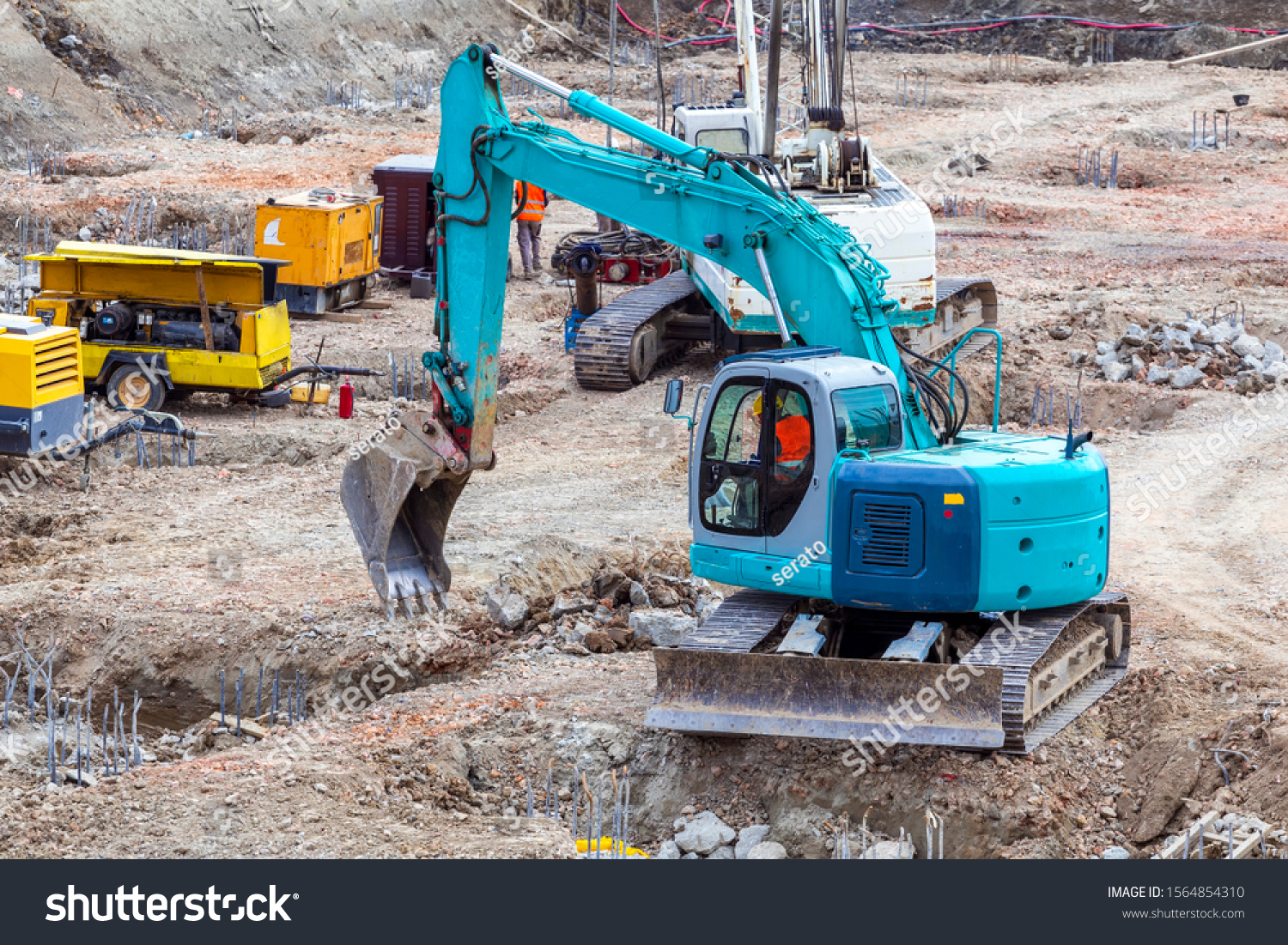

Before equipment leaves the yard or starts work each morning, a quick pre-operation inspection catches problems before they become expensive repairs. Operators and supervisors should check fluid levels (hydraulic oil, coolant, diesel fuel), inspect hoses and belts for wear or leaks, test brake functionality, and examine tracks or tyres for damage. These 10-15 minute checks take minimal time but prevent the kind of mid-shift failures that derail schedules on demolition and excavation sites.
In the Melbourne area, where weather can shift rapidly and job sites operate in varied terrain, morning checks become even more critical. Dust, mud, and extreme conditions wear equipment faster, making visual inspections of engine compartments, cooling systems, and electrical connections a non-negotiable routine. Operators familiar with their machines spot irregularities—unusual sounds, leaks, or performance dips—that formal checklists might miss.
Heavy earthmoving and demolition equipment operates under intense workloads, making scheduled servicing non-negotiable. Most manufacturers recommend servicing every 250–500 operating hours, depending on machine type and conditions. Regular servicing includes oil and filter changes, hydraulic fluid top-ups or replacements, coolant checks, greasing pivot points, and belt inspections. For businesses running multiple excavators, dozers, or compactors across Melbourne sites, maintaining a servicing calendar prevents chaos.
Sticking to schedules also maintains equipment warranties and resale value—crucial considerations for fleet-heavy operations. A well-maintained excavator retains reliability and efficiency, directly impacting project profitability. Partnering with qualified mechanics familiar with your equipment lineup (whether that's CAT, Komatsu, or JCB machines) ensures services are completed correctly and documented for compliance and insurance purposes.

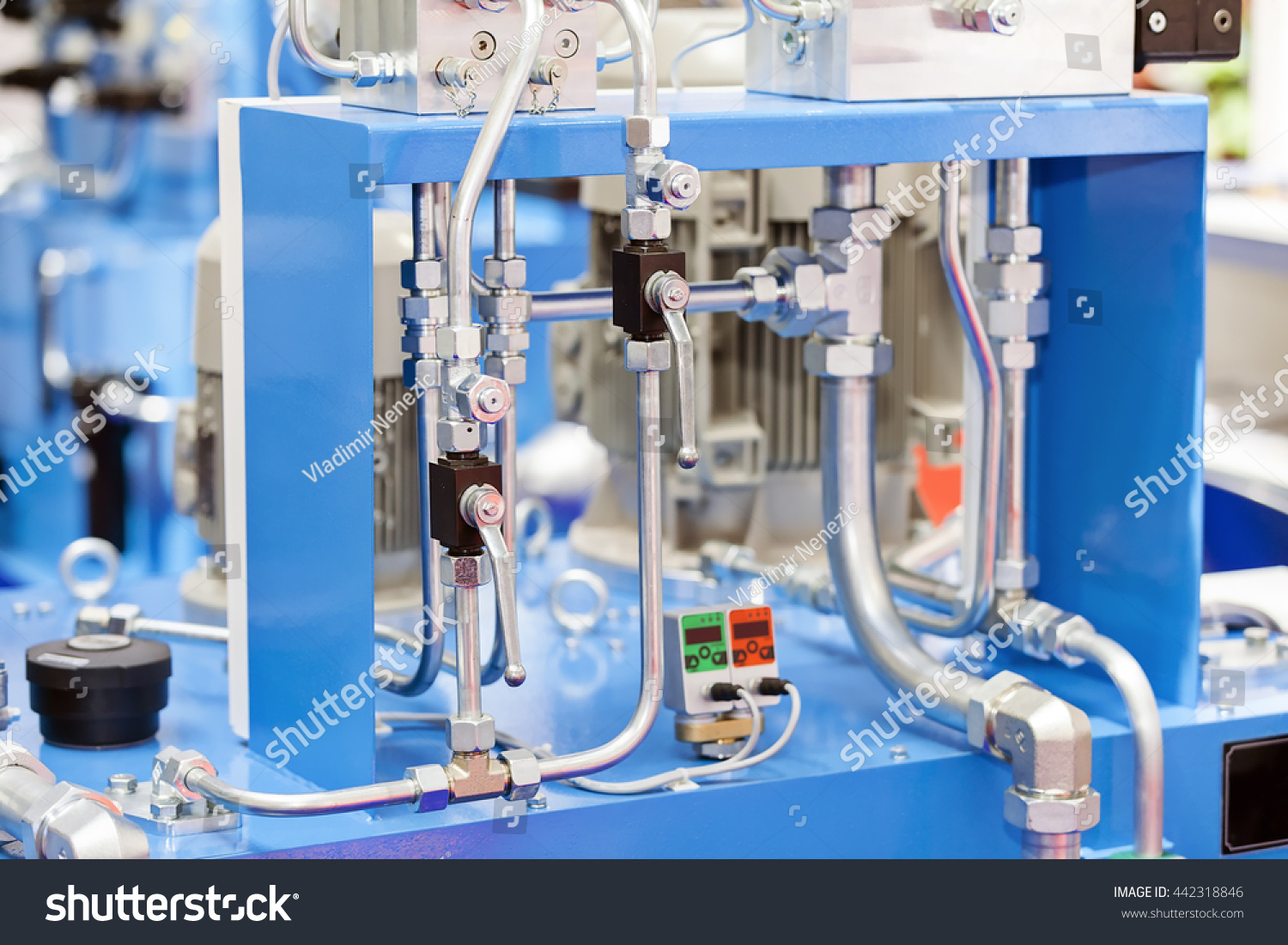
Hydraulic systems power the bucket, arm, and movement functions on excavators and loaders, making fluid management critical. Contaminated or low hydraulic fluid causes sluggish performance, overheating, and eventual component failure. Daily checks should include visual inspection of hydraulic hose condition, listening for unusual noises that signal pressure issues, and confirming fluid colour and transparency. Dark, cloudy, or foamy hydraulic fluid signals contamination requiring immediate flushing and replacement.
In earthmoving operations where equipment moves between dusty demolition sites and wet excavation areas, hydraulic contamination happens faster. Keeping spare hydraulic fluid on-site, maintaining spare hose assemblies, and having a portable hydraulic testing kit allows crews to diagnose and address problems quickly. For Melbourne-based operations running 24/7 emergency services, hydraulic reliability directly impacts response times and client satisfaction.
Maintaining detailed maintenance logs for each piece of equipment builds accountability and reveals patterns that inform future planning. Simple spreadsheets or dedicated fleet management software track service dates, costs, repairs performed, and parts replaced. Over time, these records show which machines require more frequent attention, which mechanics deliver quality work, and which equipment approaches end-of-life replacement costs. For businesses managing labour hire alongside their own fleet, documentation proves due diligence regarding equipment safety.
Documented maintenance also supports insurance claims, warranty work, and compliance audits. When equipment fails on a client's site, records demonstrate that breakdowns weren't due to negligence but legitimate operational wear. For demolition contractors working across Melbourne suburbs, clear maintenance documentation protects reputation and builds client confidence. Setting maintenance budgets based on historical data allows better forecasting and prevents surprise expenses derailing quarterly finances.

Designed & Developed by CJ Digital