


Demolition Services
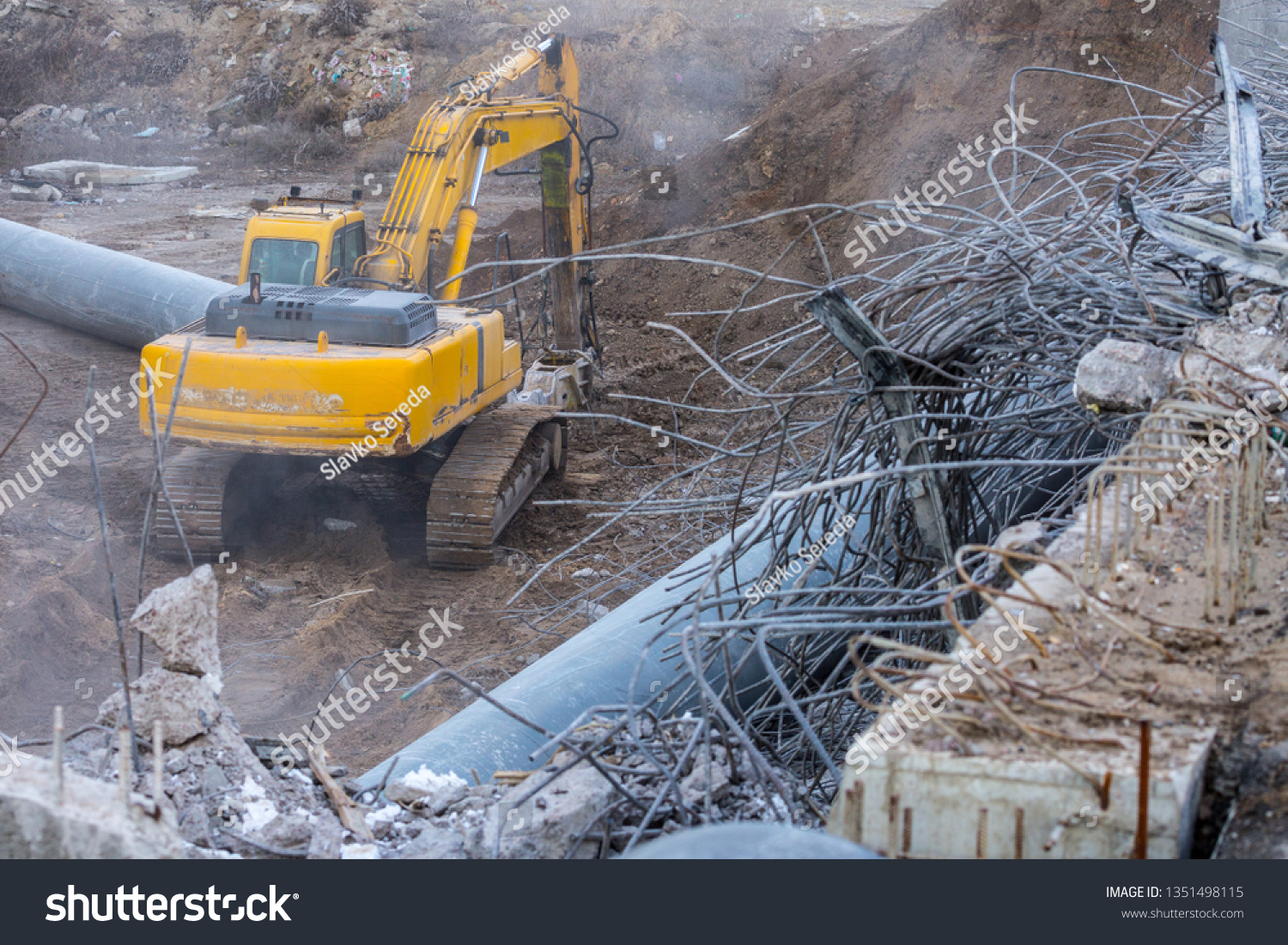
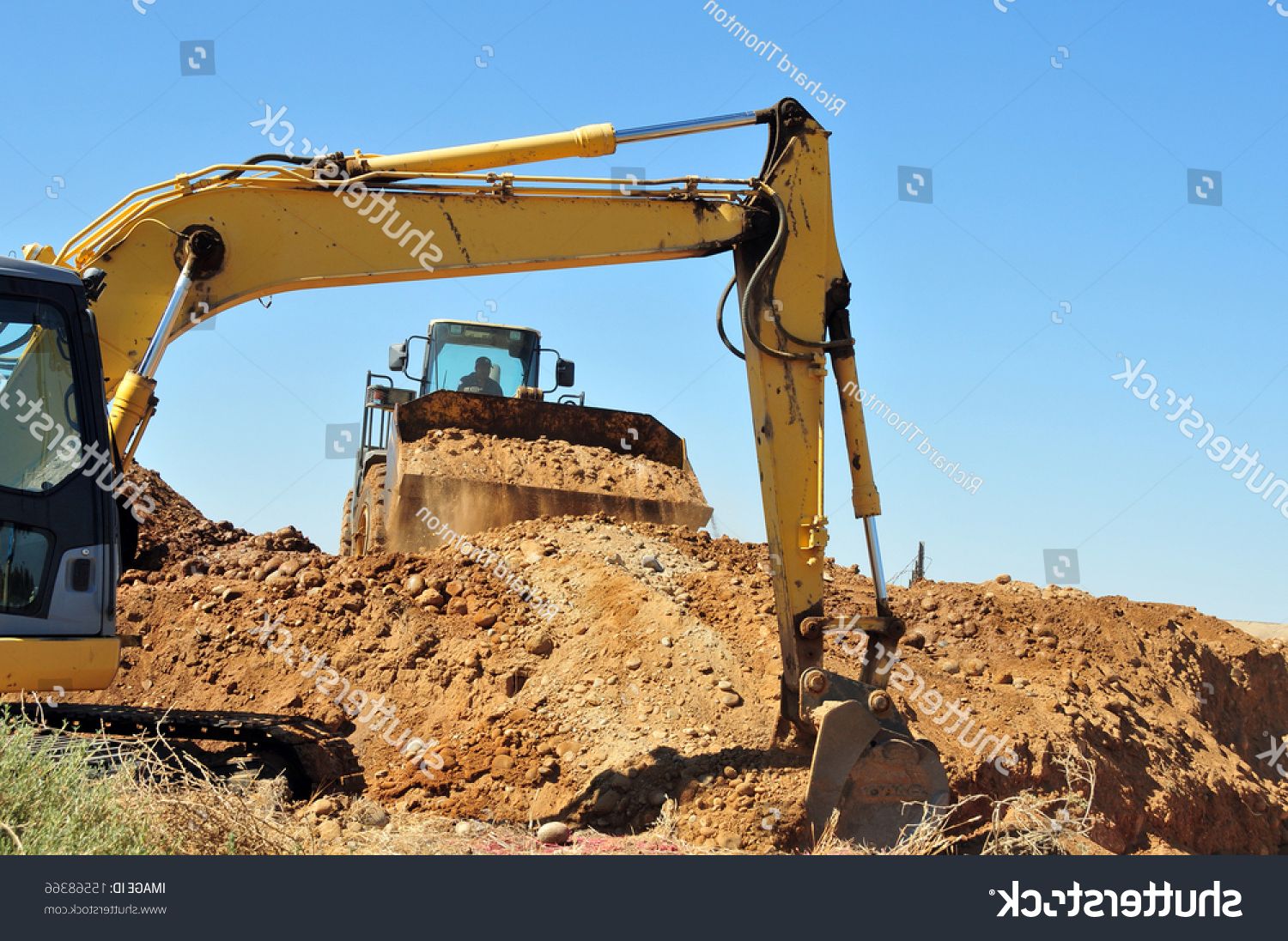
Excavators come in three main size categories: mini excavators (1-6 tonnes), midi excavators (6-20 tonnes), and large excavators (20+ tonnes). Each size class is designed for different applications and site constraints. Mini excavators are ideal for tight urban Melbourne backyards and residential properties, while midi and large machines handle commercial demolition, deep foundation work, and extensive land clearing across suburban and regional Victoria.
The bucket capacity and reach of each class directly affect your project timeline and cost. A 3-tonne mini excavator might take twice as long to clear rubble compared to a 20-tonne machine, but it requires significantly less site access and causes minimal ground disturbance. Understanding these trade-offs helps you balance efficiency with your site's limitations and budget constraints.
Before hiring, assess your site's physical constraints and ground conditions. Soft or boggy soil common in Melbourne's outer suburbs may require lighter machines with wide tracks to distribute weight and prevent sinking. Hard clay or rocky ground in regional Victoria can handle heavier machines but may need specialised buckets with teeth for efficient digging. Site access is equally critical—narrow driveway gates, overhead power lines, and proximity to neighbouring properties all influence which excavator you can safely operate.
Ground conditions also determine whether you need a standard excavator or a specialist variant like a wheeled excavator for softer terrain, or a compact tracked machine for confined spaces. Consulting with experienced operators from established demolition services in Melbourne ensures you select equipment that performs efficiently without damaging your site or incurring expensive remedial work.
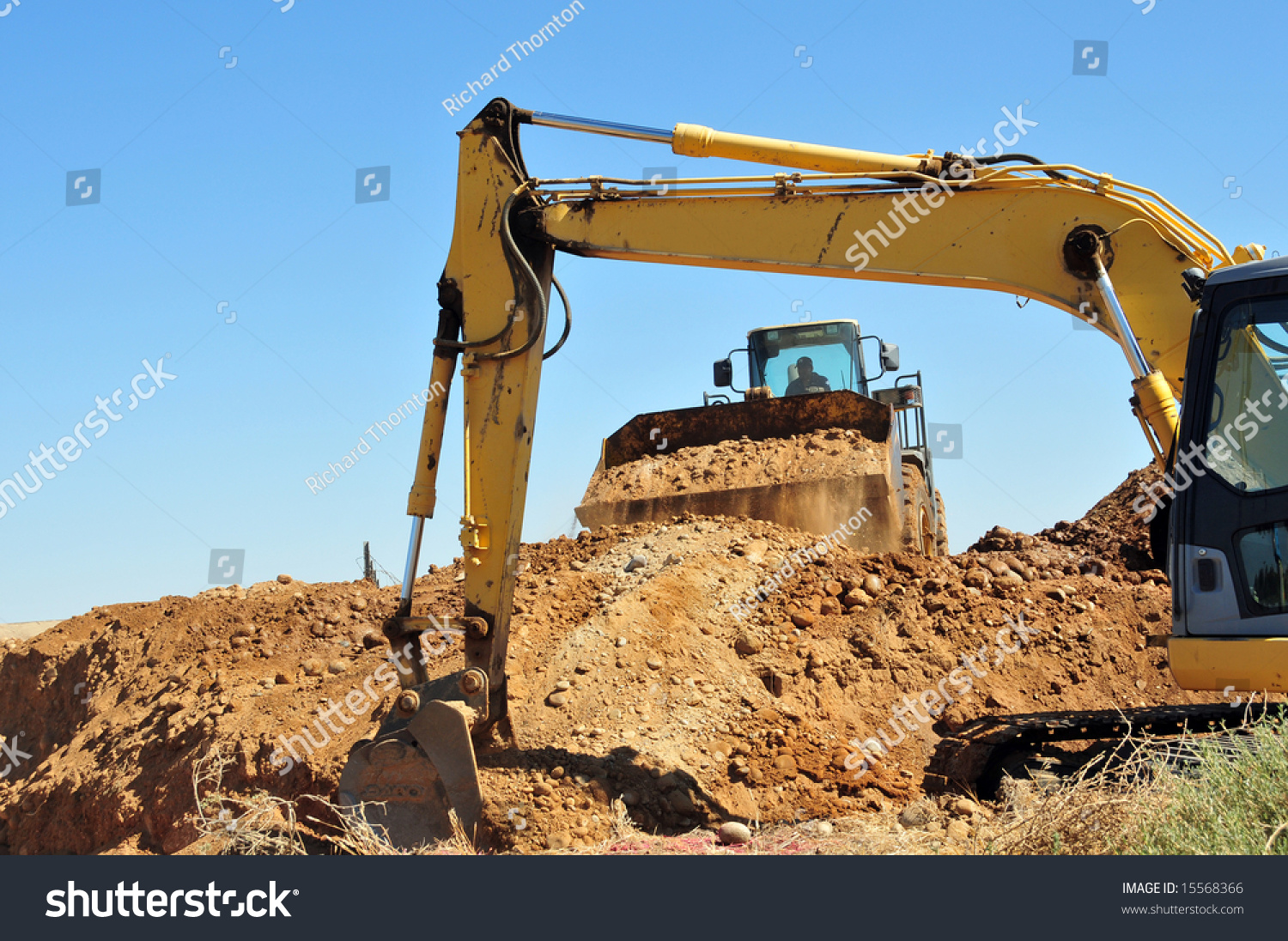

Your project scope directly determines the ideal excavator size and hire duration. Small residential demolitions, pool removals, or landscaping projects typically require mini to midi excavators for 1-5 days. Larger commercial demolition or substantial land clearing across multiple properties often justifies hiring bigger machines for longer periods, reducing the cost-per-day and improving overall efficiency. Breaking down your project into tasks—demolition phase, rubble sorting, site clearing, and final grading—helps identify whether you need one versatile machine or multiple specialist equipment pieces.
Don't overlook operator expertise and safety compliance costs when budgeting. Hiring through reputable Melbourne demolition services ensures your operators hold current tickets, carry appropriate insurance, and understand local council requirements for dangerous goods removal and waste disposal. This professional approach often costs less than managing hiring, compliance, and liability independently, particularly for complex projects involving asbestos or underground utilities.
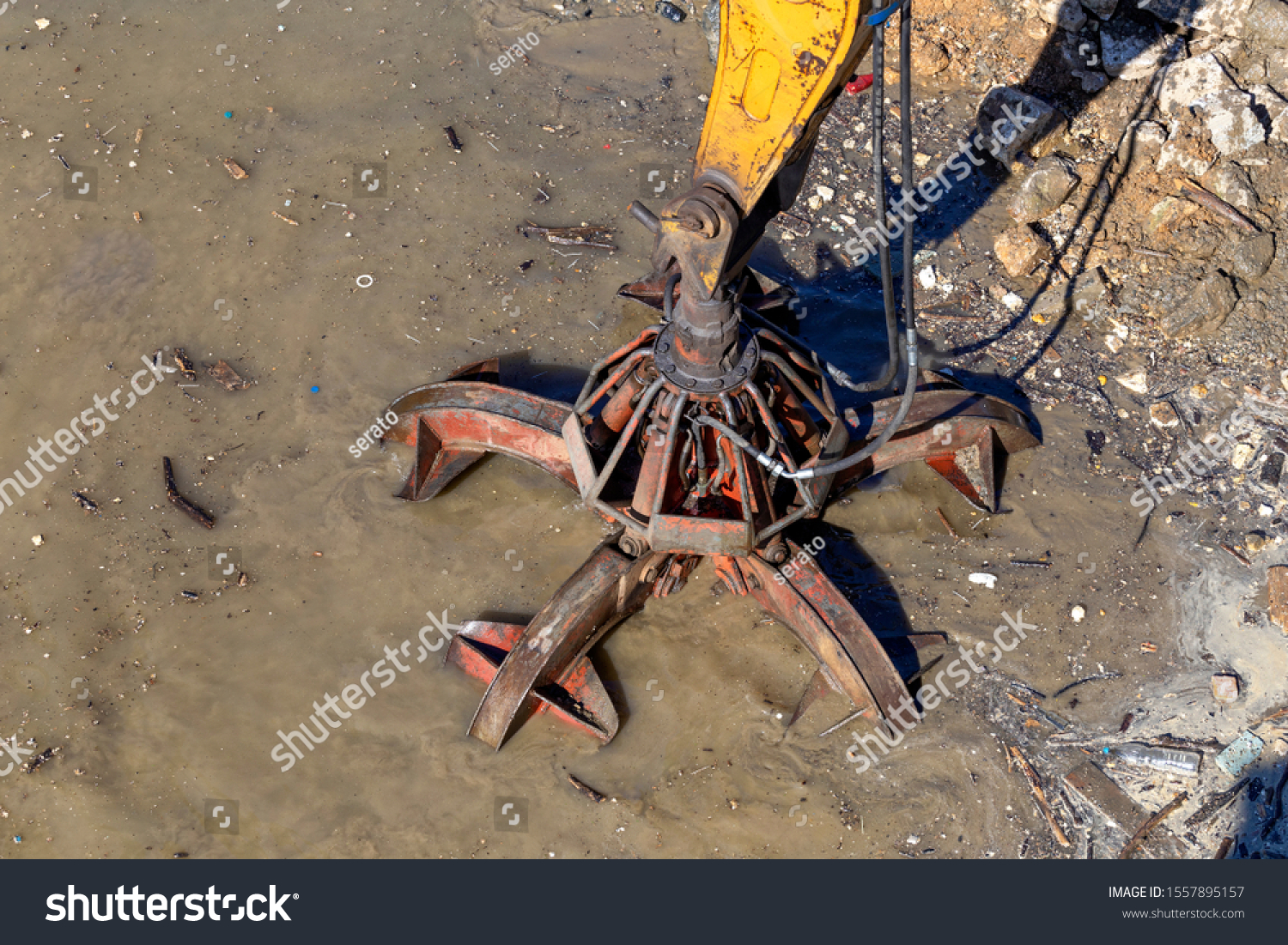
Beyond standard bucket excavators, several specialist variants address specific demolition challenges across Melbourne and Victoria. Long-reach excavators extend 7-10 metres beyond the machine's base, perfect for demolishing structures without repositioning or reaching over fences. Grapple-mounted excavators efficiently sort and manage rubble, reducing handling time and labour costs. For hazardous materials like asbestos removal, certified operators with fully equipped machines ensure safe containment and compliant disposal according to EPA Victoria standards.
Compaction equipment working alongside excavators ensures proper site restoration and ground preparation for future use. Combined labour hire with equipment rental through comprehensive demolition services streamlines your project, reduces coordination complexity, and guarantees all work meets Melbourne council regulations and Australian standards. Emergency services operating 24/7 also prove invaluable when unexpected structural issues or utility conflicts arise during demolition, allowing rapid problem-solving without project stalls.
Designed & Developed by CJ Digital